Ready to streamline healthcare?
Discover how our platform transforms operations. Book a free 30-min consultation to see it in action.

AI and Teleradiology: How Technology Supports Faster, Smarter Workflows
AI Is Changing Radiology, But Not in the Way Many People Think
Artificial intelligence has become one of the most discussed topics in healthcare. Headlines often suggest AI will replace physicians, automate diagnoses, or fundamentally reshape medicine overnight. In radiology, where digital imaging and advanced software have long been part of daily practice, these conversations are especially common.
The reality is far more practical.
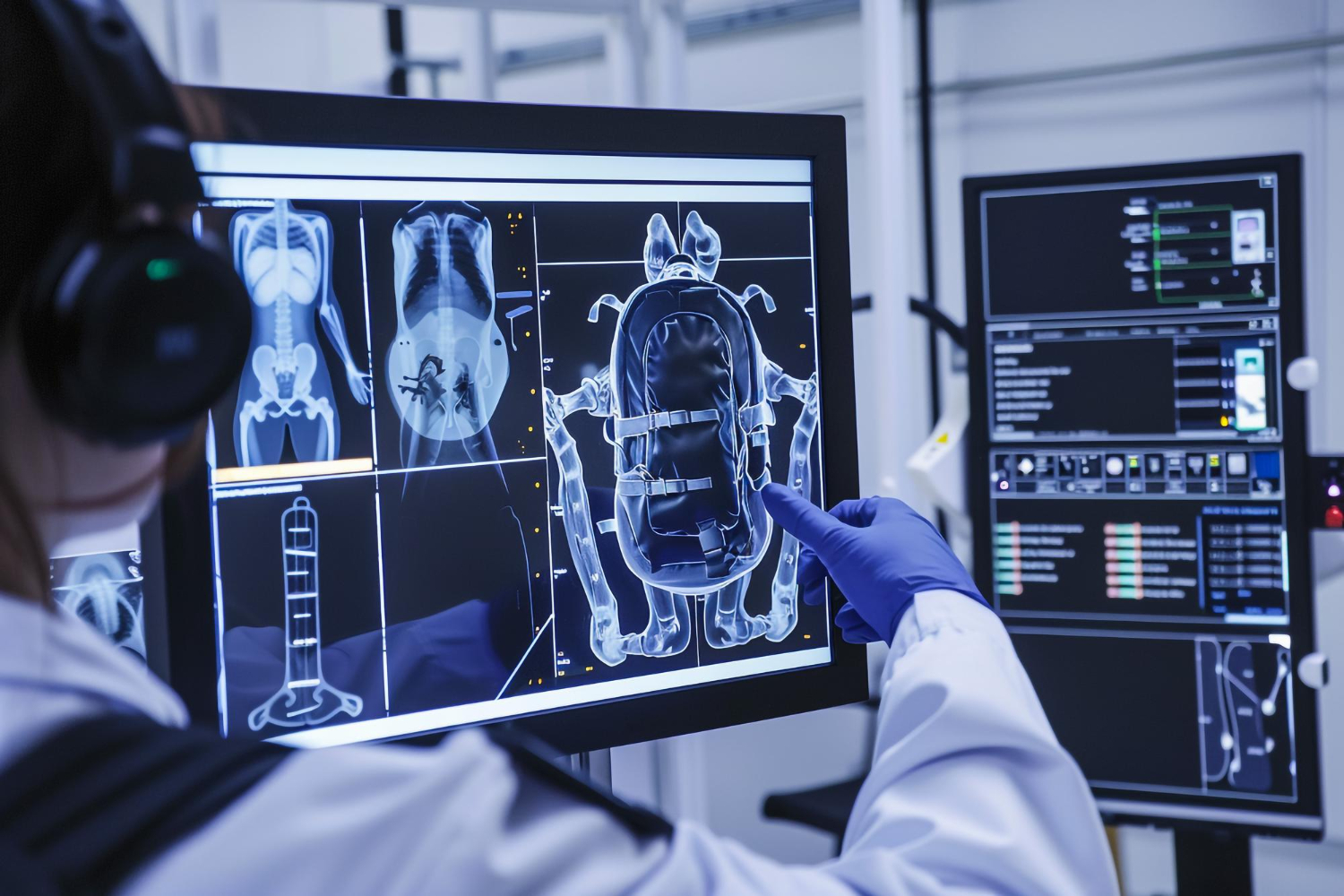
Today's AI is not replacing radiologists. Instead, it is helping them work more efficiently by supporting routine workflow tasks, prioritizing urgent cases, assisting with measurements, and improving reporting consistency. Rather than making independent clinical decisions, AI serves as another tool that helps experienced radiologists focus their expertise where it matters most.
This distinction is particularly important in teleradiology. Remote radiologists often manage large worklists, multiple facilities, and a wide variety of study types. Intelligent workflow technology can help organize those studies more effectively while leaving interpretation and clinical responsibility where it belongs: with the physician.
For hospital administrators, imaging center leaders, and radiology operations teams, the question is no longer whether AI has a role in medical imaging. The better question is how technology can support radiologists, improve workflow efficiency, and ultimately contribute to better patient care.
Quick Summary
- AI supports radiologists by improving workflow rather than replacing clinical judgment.
- FDA-authorized AI tools assist with tasks such as worklist prioritization, detection support, measurements, and reporting.
- AI can help identify potentially urgent imaging studies so radiologists can review them sooner.
- Human radiologists remain responsible for every final interpretation and clinical decision.
- AI works best when combined with experienced subspecialty radiologists, peer review, and strong quality assurance processes.
- Technology-enabled teleradiology can improve efficiency while maintaining high standards of patient care.
What is AI in Teleradiology?
Artificial intelligence in radiology refers to software designed to analyze medical images and assist healthcare professionals with specific tasks during the imaging workflow.
Rather than functioning as an independent diagnostician, today's AI systems are built to perform narrow, well-defined functions. Many use machine learning or deep learning algorithms trained to recognize imaging patterns associated with particular diseases or abnormalities.
Within a teleradiology environment, AI commonly supports activities such as:
- Identifying potentially urgent examinations
- Prioritizing worklists
- Highlighting suspected findings
- Assisting with measurements
- Improving reporting consistency
- Supporting quality assurance initiatives
The final interpretation, however, always belongs to the radiologist. AI provides information that may assist decision-making, but it does not replace physician expertise or accountability.
Why AI Adoption Is Growing
Several industry trends are driving greater interest in AI-enabled radiology workflows.
Growing Imaging Volumes
Medical imaging continues to expand as healthcare providers rely on CT, MRI, PET, ultrasound, and other advanced imaging modalities to diagnose and monitor disease.
At the same time, imaging studies have become increasingly complex, often containing hundreds or even thousands of images requiring careful review.
Radiologist Workforce Pressure
Research from the Harvey L. Neiman Health Policy Institute projects that imaging demand will continue growing through 2055 while the radiologist workforce expands at a similar pace, meaning current workforce pressures are expected to persist without significant changes in training capacity.
Healthcare organizations therefore face an ongoing challenge:
- More imaging studies
- Greater case complexity
- Limited specialist availability
Improving workflow efficiency has become an operational necessity.
Administrative Burden
Radiologists spend significant time performing tasks beyond image interpretation, including:
- Reviewing prior examinations
- Measuring lesions
- Dictating reports
- Communicating urgent findings
- Completing documentation
Many of these repetitive activities can be supported by technology, allowing radiologists to devote more attention to clinical interpretation.
Where AI Adds Value in the Radiology Workflow
AI contributes most effectively when it assists existing clinical workflows rather than attempting to replace them.
Worklist Prioritization
One of AI's most valuable applications is helping organize radiology worklists.
Instead of processing studies strictly in the order they arrive, AI software can identify examinations that may contain findings requiring immediate attention.
Examples include:
- Suspected intracranial hemorrhage
- Large vessel stroke
- Pulmonary embolism
- Pneumothorax
- Certain fractures
When these studies are flagged, they can be brought to the radiologist's attention earlier.
Importantly, the AI does not diagnose the patient.
It simply helps ensure that potentially urgent examinations receive prompt physician review.
For emergency departments and busy imaging centers, intelligent prioritization can contribute to more efficient workflows and support timely patient care.
Detection Support
Many FDA-authorized AI applications are designed to highlight imaging findings that deserve closer inspection.
Depending on the software, AI may identify potential:
- Lung nodules
- Brain hemorrhage
- Vertebral fractures
- Breast abnormalities
- Pulmonary emboli
- Coronary artery calcium
- Intracranial large vessel occlusions
These systems function as an additional set of eyes rather than a replacement for physician interpretation.
Radiologists evaluate both the images and any AI-generated findings before reaching their own independent conclusions.
This approach helps reduce cognitive burden while preserving physician judgment.
Automated Measurements
Radiology frequently requires detailed quantitative measurements.
Examples include:
- Tumor dimensions
- Organ volumes
- Pulmonary nodules
- Brain structures
- Coronary calcium scores
Manual measurements are time-consuming and may vary slightly between readers.
AI-assisted measurement tools can improve consistency while reducing repetitive work.
Radiologists still review and confirm these measurements before including them in the final report.
Reporting Assistance
Reporting remains one of the most time-intensive aspects of radiology.
Modern AI tools can assist by:
- Organizing structured reports
- Suggesting standardized terminology
- Improving report consistency
- Reducing repetitive dictation
- Identifying incomplete sections
These capabilities help streamline documentation while maintaining physician oversight.
Every report is still reviewed, edited when necessary, and finalized by the interpreting radiologist.
Quality Assurance
Quality assurance is another area where AI continues to evolve.
Potential applications include:
- Identifying missing measurements
- Detecting possible inconsistencies
- Supporting peer review workflows
- Flagging unexpected findings for secondary review
- Monitoring reporting quality over time
These tools complement existing quality programs rather than replacing them.
Organizations with formal peer review processes can use technology to support ongoing performance improvement while maintaining physician-led oversight.
Understanding FDA-Authorized AI Tools
One of the most common misconceptions surrounding AI in healthcare involves FDA authorization.
The U.S. Food and Drug Administration maintains a public list of AI-enabled medical devices that have been authorized for marketing in the United States.
These devices cover numerous clinical specialties, with radiology representing one of the largest categories.
It is important to understand what FDA authorization does—and does not—mean.
FDA authorization indicates that a device has been evaluated for a specific intended use based on applicable regulatory pathways.
It does not mean the software replaces physician decision-making.
Each authorized AI application is cleared for a defined clinical purpose, such as:
- Detecting specific abnormalities
- Prioritizing worklists
- Assisting with image analysis
- Supporting measurements
- Improving workflow
Healthcare organizations should evaluate AI tools based on their intended use, clinical evidence, workflow integration, and compatibility with existing radiology systems.
What AI Cannot Do
Despite rapid advances, AI has important limitations.
Current technology cannot replace the broader clinical reasoning that experienced radiologists bring to every interpretation.
AI cannot:
- Understand the full clinical history in the way physicians do.
- Speak directly with referring physicians.
- Integrate complex patient presentations into clinical decision-making.
- Accept legal responsibility for a diagnosis.
- Exercise professional judgment when imaging findings are ambiguous.
- Replace multidisciplinary collaboration.
Radiology is far more than pattern recognition.
Experienced physicians combine imaging findings with patient history, laboratory results, prior examinations, clinical presentation, and communication with other healthcare providers.
These responsibilities remain uniquely human.
AI and Radiologists: Better Together
The most effective radiology workflow is not AI instead of radiologists.
It is AI supporting radiologists.
Technology handles repetitive tasks.
Radiologists provide:
- Clinical judgment
- Diagnostic expertise
- Context
- Communication
- Accountability
- Patient-centered decision-making
This collaborative approach allows technology to improve efficiency without compromising quality.
As AI capabilities continue to evolve, the physician's role becomes even more important in validating findings, interpreting complex cases, and ensuring patient safety.
How AI Supports Modern Teleradiology
Teleradiology presents unique workflow challenges.
Remote radiologists may interpret studies from multiple facilities across different time zones while managing varying levels of urgency and case complexity.
Technology can help support these distributed workflows by:
- Prioritizing urgent examinations
- Organizing worklists more efficiently
- Supporting subspecialty routing
- Improving reporting consistency
- Assisting quality monitoring
- Reducing repetitive administrative work
These capabilities become particularly valuable during overnight coverage, weekends, and periods of increased imaging volume.
Rather than increasing reading speed alone, the goal is to improve overall workflow so radiologists can focus more attention on patient care.
Choosing a Technology-Enabled Teleradiology Partner
Technology should be viewed as one component of a comprehensive radiology program.
When evaluating a teleradiology provider, healthcare leaders should look beyond AI capabilities alone.
Consider whether the organization offers:
- Access to FDA-authorized workflow technologies where appropriate
- Experienced subspecialty radiologists
- Formal peer review and quality assurance
- Secure, HIPAA-compliant technology
- PACS and workflow integration
- Consultation support
- Reliable communication processes
- Proven operational experience
Technology delivers the greatest value when combined with experienced physicians and well-designed clinical workflows.
Why Technology Works Best in a Radiologist-Led Practice
AI is most effective when implemented by organizations that understand radiology from the physician's perspective.
Transparent Imaging was built by radiologists, for radiologists. With a network of 200+ radiologists, the practice combines subspecialty expertise, peer-reviewed quality processes, and modern technology to support hospitals, imaging centers, and healthcare systems.
Technology serves as an enhancement to physician expertise—not a substitute for it.
That philosophy guides how workflow tools are evaluated, integrated, and used across the organization.
Key Takeaways
Artificial intelligence is becoming an increasingly valuable part of modern radiology, but its greatest strength lies in supporting—not replacing—the physician.
Today's AI applications help prioritize urgent studies, assist with measurements, improve reporting consistency, and streamline workflow. These capabilities can reduce administrative burden and help radiologists focus their attention where it matters most: delivering accurate, timely interpretations that support patient care.
As imaging volumes continue to rise and workforce pressures remain, thoughtfully implemented AI has the potential to improve operational efficiency across hospitals and imaging centers. Success, however, depends on combining technology with experienced radiologists, strong quality assurance, and sound clinical judgment.
Healthcare organizations evaluating teleradiology partners should look for providers that embrace technology responsibly while maintaining physician-led interpretation and accountability.
If your organization is exploring technology-enabled teleradiology solutions, Transparent Imaging combines a network of 200+ radiologists, subspecialty expertise, peer-reviewed quality processes, and modern workflow technology to help hospitals and imaging centers deliver reliable, high-quality imaging services.
Frequently Asked Questions
What is AI in teleradiology?
AI in teleradiology refers to software that assists radiologists with tasks such as worklist prioritization, image analysis, measurements, reporting support, and quality assurance while physicians remain responsible for the final interpretation.
Can AI replace radiologists?
No. Current AI tools are designed to assist radiologists rather than replace them. Clinical judgment, diagnostic responsibility, communication, and final report approval remain the responsibility of the physician.
How does AI improve radiology workflow?
AI can prioritize urgent studies, automate repetitive measurements, support structured reporting, and help organize worklists, allowing radiologists to spend more time on complex clinical interpretation.
Are AI radiology tools FDA approved?
Many AI-enabled medical imaging devices have been authorized by the U.S. Food and Drug Administration for specific intended uses. Authorization applies to defined clinical functions and does not replace physician oversight.
How does AI support teleradiology?
AI helps organize distributed worklists, prioritize potentially urgent cases, support reporting consistency, and improve workflow efficiency across remote radiology operations while radiologists maintain full clinical responsibility.