
The healthcare industry has embraced remote solutions across many specialties, but nowhere has this transformation been more impactful than in radiology.
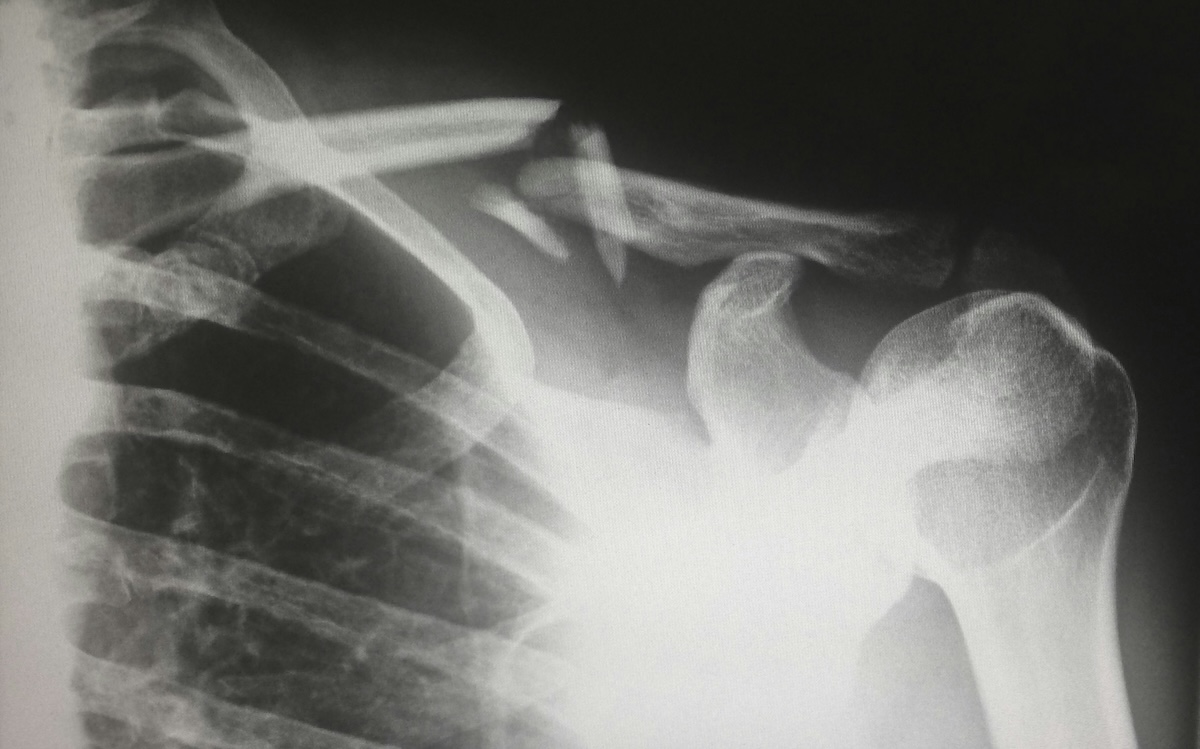
Teleradiology is the transmission of radiological images: including X-rays, CT scans, MRIs, and mammograms, from one location to another for remote interpretation by qualified radiologists.
This technology addresses critical challenges in healthcare delivery while improving patient outcomes, particularly in rural and underserved areas.
Teleradiology represents a complete workflow system that enables healthcare facilities to access expert diagnostic services without geographic limitations.
Rather than simply sharing images, it ensures patients receive timely, accurate interpretations regardless of location. This technology has become essential for addressing radiologist shortages and improving access to specialized care.
Modern teleradiology services like those provided by Transparent Imaging focus on delivering highly accurate, peer-reviewed reads backed by specialty expertise.
This approach ensures healthcare facilities receive the same quality of interpretation they would expect from an on-site radiologist, while gaining the flexibility and coverage advantages of remote services.
Understanding how remote reading works requires examining each stage of the teleradiology workflow. The process is streamlined yet comprehensive, ensuring diagnostic accuracy while maximizing efficiency.
Medical images are acquired at healthcare facilities using specialized imaging equipment, creating digital files that maintain diagnostic quality throughout the transmission process.
Modern imaging equipment produces high-resolution digital files specifically optimized for remote interpretation.
Digital images are transmitted securely over networks using advanced systems like Picture Archiving and Communication Systems (PACS) or secure internet connections¹. PACS serves as the backbone of modern teleradiology operations, managing every aspect of image handling:
Radiologists access images through specialized software that allows real-time review, providing interpretations, diagnoses, and reports. This stage requires sophisticated viewing software that enables radiologists to manipulate images, adjust contrast, and perform detailed analysis from any location.
At Transparent Imaging, this process is enhanced by a team of over 200 radiologists who provide subspecialty expertise for complicated, unclear, or high-stakes cases. This deep bench of radiology expertise ensures even the most complex cases receive accurate, timely interpretations.
Radiologists generate detailed reports that include findings, interpretations, and recommendations. These reports are transmitted back to the referring healthcare facility, where they're integrated into the patient's medical record.
This seamless integration enables prompt decision-making and treatment planning by attending physicians.
Teleradiology services implement comprehensive quality assurance measures to ensure accurate and timely interpretations, adhering to industry standards established by organizations like the American College of Radiology². Quality-focused providers include:
The effectiveness of teleradiology relies on several key technologies working seamlessly together. Picture Archiving and Communication Systems (PACS) manage the entire lifecycle of medical images, from acquisition to long-term storage and retrieval.
Secure transmission protocols protect patient data through encryption, ensuring compliance with regulations like HIPAA.
Specialized viewing software platforms enable radiologists to access, review, and interpret images remotely, featuring advanced tools for measurement, annotation, and collaboration.
Artificial Intelligence has become integral to teleradiology, significantly enhancing both diagnostic accuracy and workflow efficiency. AI tools now assist with various critical tasks:
Studies demonstrate that AI integration has resulted in a 40% reduction in diagnostic turnaround times³, making remote reading faster and more efficient than ever before.
Teleradiology provides round-the-clock coverage by enabling radiologists to work across different time zones. This continuous availability proves particularly valuable for:
Patients in rural or underserved areas can access subspecialty radiology expertise that may not be available locally, effectively bridging geographical gaps. This democratization of expert care ensures location doesn't determine the quality of diagnostic services.
Transparent Imaging exemplifies this benefit by offering subspecialty expertise across multiple disciplines, including PET and body imaging, MSK radiology, and other specialized areas.
This allows smaller facilities to access the same level of expertise typically available only at large academic medical centers.
Remote reading enables faster image interpretation and reporting, leading to quicker diagnoses and treatment decisions. The efficiency gains extend beyond speed to include:
Teleradiology eliminates the need for onsite coverage, reducing overhead costs for healthcare facilities⁴. This economic advantage proves particularly significant for smaller hospitals and outpatient facilities that cannot justify full-time radiology staff.
While teleradiology offers substantial benefits, healthcare organizations must address several important challenges to ensure successful implementation.
Healthcare organizations must implement robust cybersecurity measures to protect patient information during transmission and storage. This requires:
Teleradiology involves navigating complex state and federal laws, including licensing, credentialing, and billing requirements. Radiologists must maintain appropriate licenses in states where they provide services, adding complexity to practice management.
Maintaining consistent quality and accuracy in remote interpretations requires robust quality assurance measures. Essential components include:
The teleradiology market demonstrates remarkable growth, valued at $7.3 billion in 2021 and projected to reach $14.8 billion by 2026, representing a compound annual growth rate of 15.3%⁵. This substantial growth reflects increasing adoption across healthcare systems worldwide.
Current teleradiology trends include faster workflows, smarter diagnostic tools, and globally distributed care models. Key innovations driving the industry forward include:
Teleradiology facilitates quicker diagnoses by enabling rapid access to radiologists, especially during emergencies. The service particularly benefits rural healthcare by connecting patients with subspecialty expertise without requiring long-distance travel.
Key patient care improvements include:
Remote reading supports value-based care initiatives by optimizing resource utilization and reducing the environmental impact associated with patient travel. This alignment with healthcare's shift toward value-based models positions teleradiology as a strategic advantage for healthcare systems.
When selecting a teleradiology provider, healthcare facilities should prioritize several key factors that directly impact patient care and operational efficiency.
The most successful teleradiology partnerships combine advanced technology infrastructure with experienced radiologists who understand the nuances of remote interpretation.
Providers like Transparent Imaging bring both technical expertise and a deep understanding of clinical workflow challenges.
Additionally, consider providers that offer onboarding assistance and consultation support to help determine the most appropriate study types for optimal patient care. This guidance ensures the right scans are performed and interpreted efficiently.
The teleradiology landscape continues evolving rapidly, with expectations of further AI, machine learning, and 5G technology integration.
The persistent challenges of an aging population, increasing imaging volumes, and radiologist shortages will continue driving demand for innovative teleradiology solutions⁷.
Healthcare organizations should evaluate teleradiology providers based on their ability to adapt to these technological advances while maintaining the human expertise that ensures accurate diagnoses.
The most successful implementations will combine cutting-edge technology with experienced radiologists committed to maintaining the highest diagnostic standards.
Teleradiology uses end-to-end encryption and secure transmission protocols to protect patient information during image transfer. All systems must comply with HIPAA regulations, and reputable providers implement robust cybersecurity measures including secure authentication, regular security audits, and encrypted storage. Patient data is protected with the same level of security used by major financial institutions.
Turnaround times vary by case urgency and complexity. Emergency cases are typically interpreted within 30 minutes to 2 hours, while routine studies are usually completed within 12-24 hours.
Yes, most comprehensive teleradiology providers offer access to subspecialists across multiple disciplines including neuroradiology, musculoskeletal imaging, cardiac imaging, and oncology. This allows smaller facilities to access the same level of expertise typically found only at large academic medical centers, ensuring patients receive specialized interpretations regardless of location.
Quality teleradiology services provide consultation support for complex cases. Radiologists can communicate directly with referring physicians through secure messaging, phone calls, or video conferences. Many providers also offer second opinions and peer review for challenging diagnoses, ensuring accurate interpretations and collaborative patient care.
Yes, teleradiology typically reduces costs by eliminating the need for full-time on-site coverage, reducing overhead expenses, and providing flexible staffing solutions. This is particularly beneficial for smaller hospitals and outpatient facilities that cannot justify the expense of maintaining 24/7 radiology coverage. Additionally, access to subspecialty expertise through teleradiology often provides better value than hiring multiple specialists.
Sources: